
TikTok and Tensions: Unfiltered Reactions to Ukraine’s Push into Russia

The Ukrainian incursion into Russia’s Kursk Oblast, which began on August 6, 2024, marks a significant escalation in the Russo-Ukrainian conflict, representing one of the most substantial cross-border actions by Ukrainian regular troops since the war began. This operation has generated intense reactions from both Russian and Ukrainian populations, governments, and media, offering insights into the evolving dynamics of the conflict.
WNM’s report delves into TikTok responses, where Russian civilians have expressed fear and concern over the Ukrainian military offensives. The analysis highlights sentiments, narratives, and behaviors observed across the platform, providing actionable intelligence for strategic communication, psychological operations, and broader decision-making related to information warfare and public perception management.
The movement of Ukrainian troops into Russian territory has sparked new trends on TikTok, with affected users posting content laden with strong emotions about the ongoing conflict.
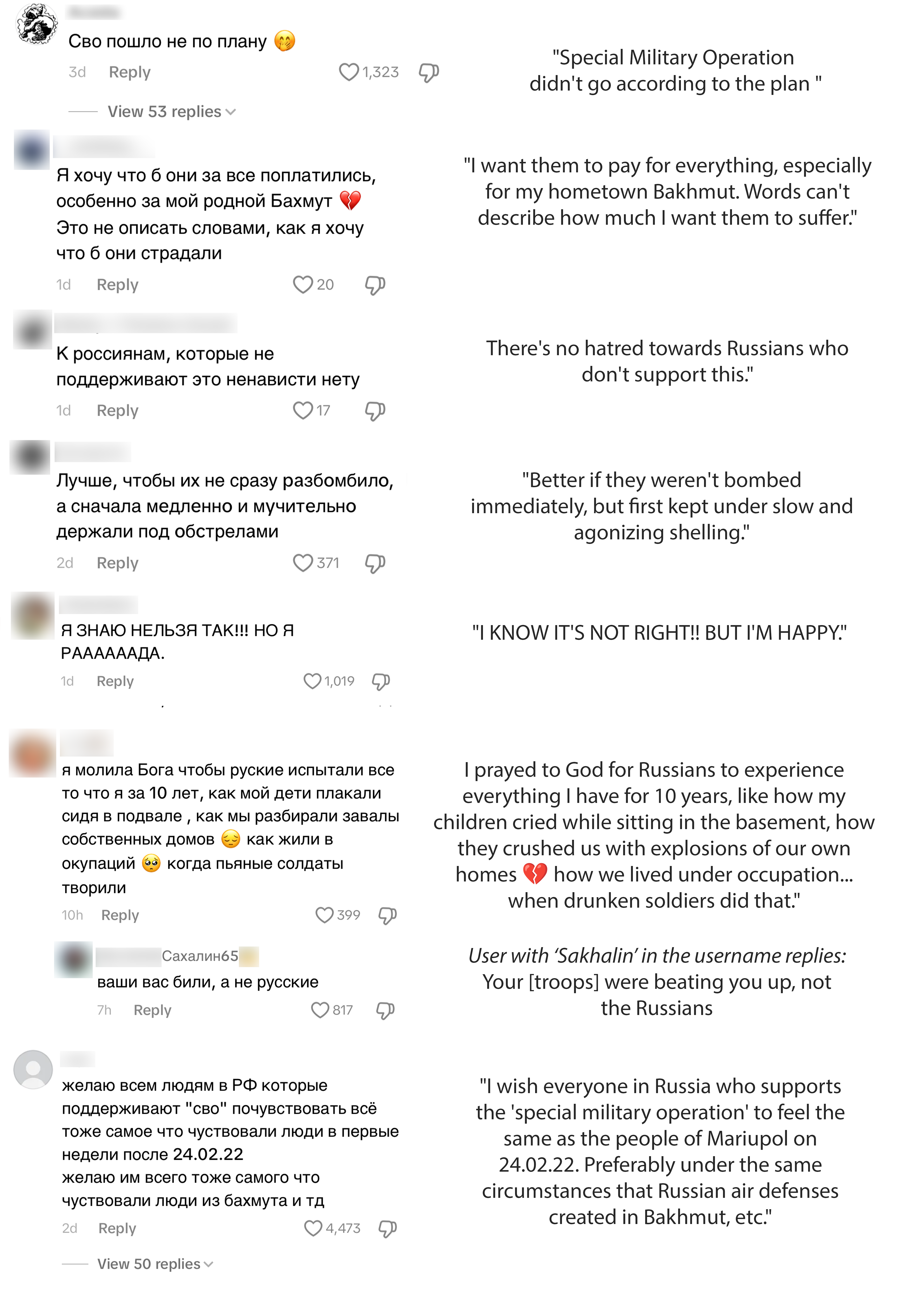

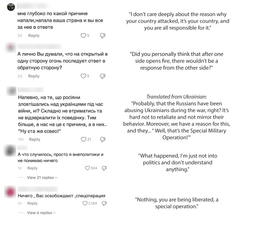
Compilation of comments expressing negative sentiments toward the Russian population in the affected territories.
The increasing anxiety among Russian civilians has led to a surge in videos on social media where Russians discuss potential evacuations and the harsh realities of living in conflict zones. These posts have attracted significant engagement, with users often expressing schadenfreude and diverse emotional responses, reflecting the sudden impact of the war on the Russian populace.
For instance, TikTok videos from Kursk residents convey a sense of panic, as seen in posts asking for guidance amid UAV attack warnings. One video features a distressed resident longing for peace, expressing a desire to never hear the words “missile danger,” “drones,” “casualties,” or “everyone in the basements” again, while another post from a young student expresses hope for the conflict to end so she can return to school and live peacefully.

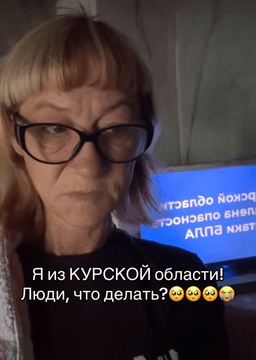
A video was posted on TikTok with a panicked narrative. The text reads: “I’m from the Kursk region, people, what should we do?” In the background, the TV displays a message that says, “A UAV attack warning has been declared in the Kursk region.”

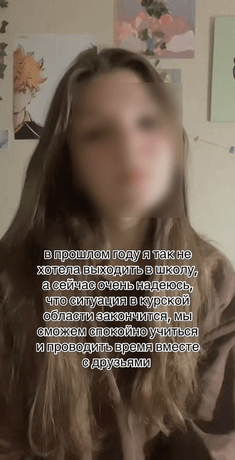
Video uploaded on TikTok with text in Russian: “Last year, I really didn’t want to go to school, but now I really hope that the situation in the Kursk region will end soon, and we will be able to study peacefully and spend time with friends.”
The emotional responses observed in the comments range from deep anger and resentment towards the war in Ukraine to sorrow and grief over the prolonged suffering. Some users express a strong desire for retribution, with comments reflecting anger at both the military actions and perceived support for the invasion within Russia. This anger is contrasted by expressions of sorrow, especially from those who have experienced significant loss due to the conflict, often accompanied by feelings of helplessness.

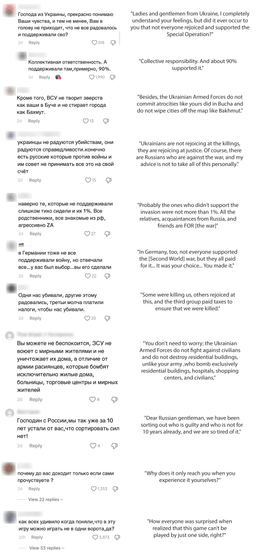
Compilation of the Russian and Ukrainian users engaging in a discussion about collective responsibility, justice, and the emotional impact of the Russo-Ukrainian conflict.
Despite the overwhelming negative sentiments, there are instances of hope and compassion. For example, a Ukrainian user offered safety advice during bombings, which was met with gratitude from others in the discussion.

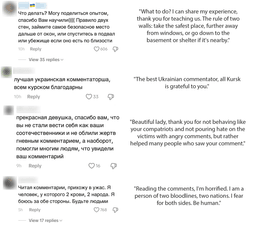
A Ukrainian user recently shared some survival tips on enduring bombings. Other users thanked the author for their guidance in the replies.
On the other hand, some comments reflect defensiveness and denial, with individuals downplaying the severity of the situation or distancing themselves from the conflict, often accompanied by a lack of empathy. This defensiveness is evident in comments that attempt to justify the actions of the Russian government or dismiss the suffering of others.
Several key narratives emerge from the comments, including a desire for retribution and justice, where many users express the belief that those who supported the invasion should suffer as the Ukrainians have. Another narrative focuses on collective responsibility, viewing the entire Russian population as complicit in the war. Additionally, a narrative of survival and resilience is present, with users sharing tips on staying safe and recounting their own experiences of enduring attacks.
Counter-narratives of denial and justification also appear, where some users attempt to validate the actions of the Russian government or distance themselves from the conflict. Meanwhile, a narrative of war fatigue and despair is evident, particularly among those who have endured the conflict for years, reflecting a deep weariness and a desire for the conflict to end, even if it means accepting a bitter outcome.
This video recently went viral, accompanied by a particular sound that quickly accumulated a vast amount of similar content, turning it into another TikTok “trend” focused on the Russo-Ukrainian war.

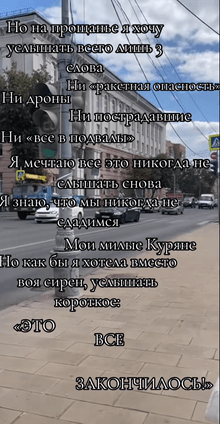
“But in parting, I just want to hear only three words: No ‘missile danger,’ No drones, No casualties, No ‘everyone in the basements.’ I dream of never hearing this again. I know that we will never give up. My dear Kursk people. But how much I would like, instead of the wailing of sirens, to hear these short words: ‘IT IS ALL OVER!’”
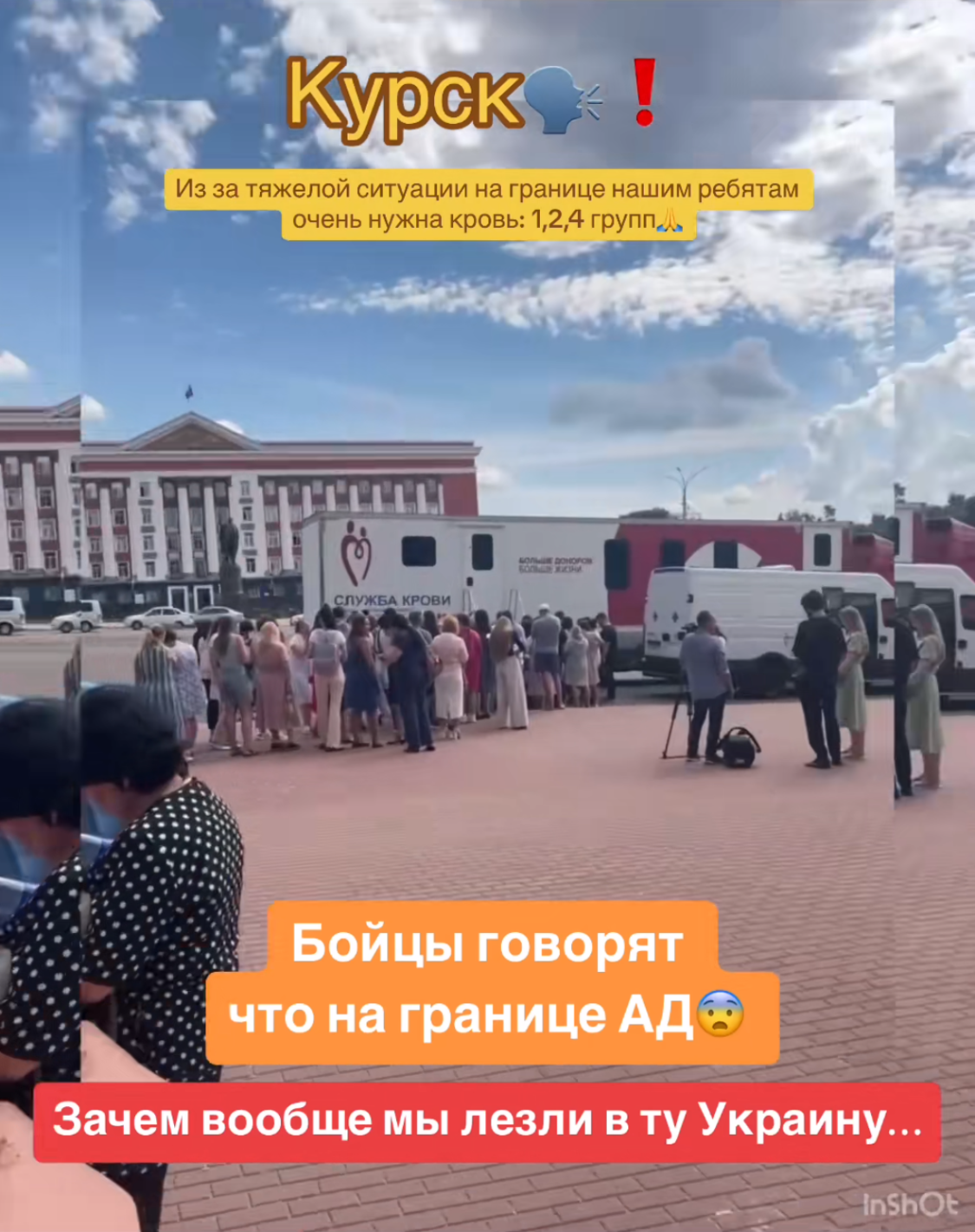
“Kursk. Due to the severe situation on the border, our guys need blood urgently: types 1, 2, and 4. The fighters say that the situation on the border is hell. Why did we even go into that Ukraine…”
One of the most intense and revealing discussions in the comment section revolved around Russian propaganda, with users openly challenging the narrative that all Russians support the war. Many explained that while propaganda portrays a pro-war consensus, the reality is different—those opposed to the war often remain silent due to fear of repercussions.

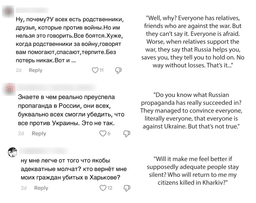
Comments that expose the propaganda efforts and firsthand experiences within Russia.
A Ukrainian user responded, expressing that this silence does not lessen the tragedy, nor will it bring back the lives lost. This exchange highlights the raw and unfiltered perceptions between the two nations in war.
Overall, the comments reflect a deeply polarized and emotionally charged environment, with dominant feelings of anger, grief, and hostility. While the desire for justice and retribution is strong, there are also moments of empathy and a shared sense of resilience. However, the overarching mood is one of fatigue and despair, with little optimism for a positive resolution in the near future.


